 OpenTrailPaper

Supported
Strengths
- A 4.7" e-paper panel that is readable in direct sunlight
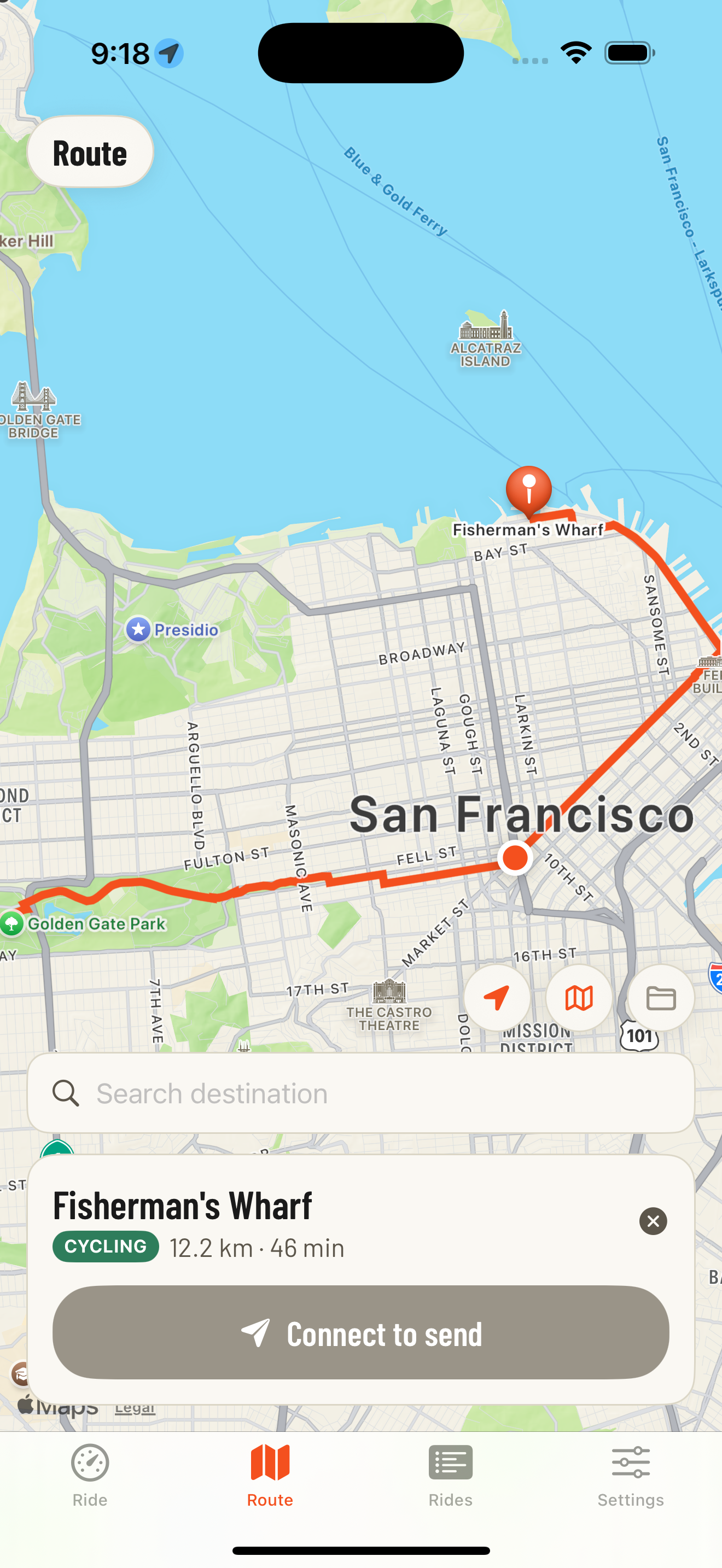
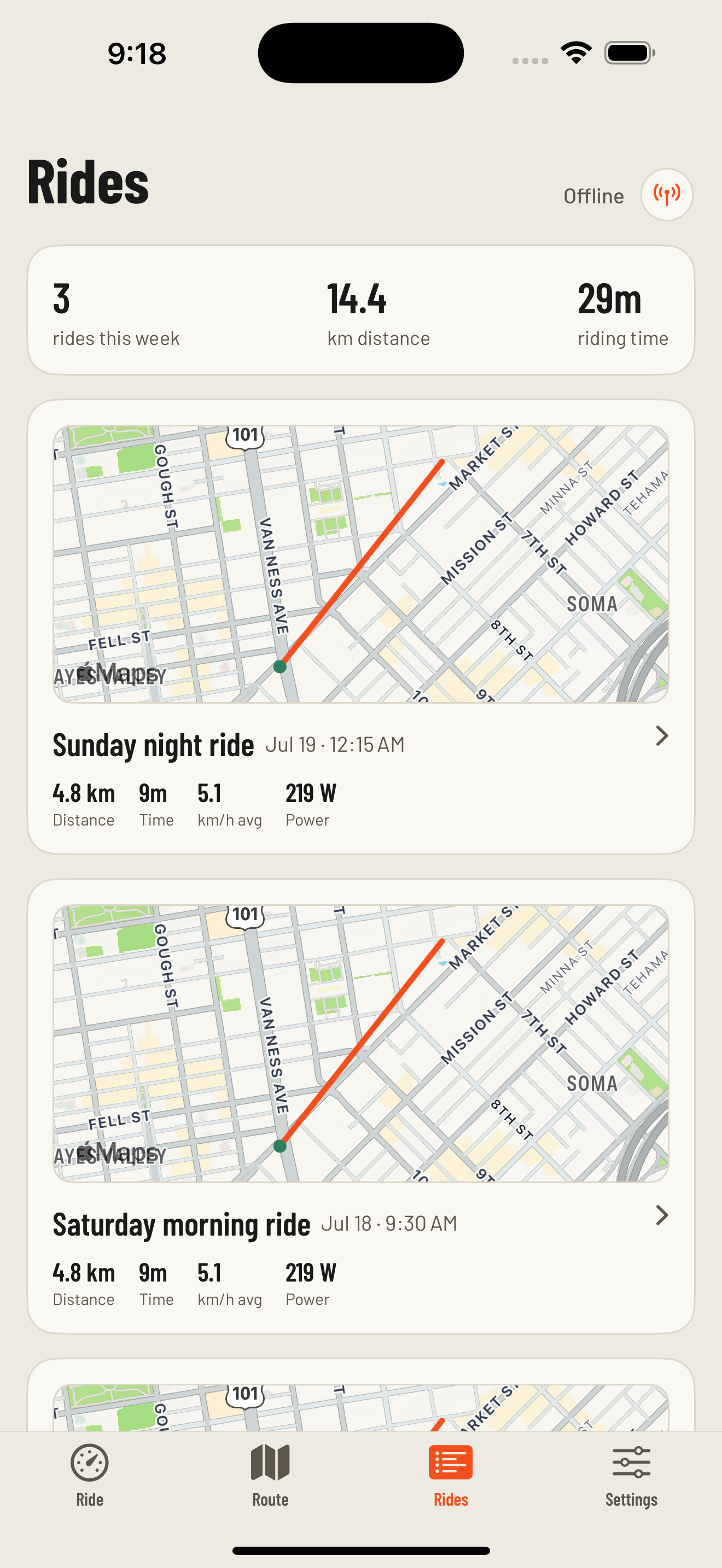
- An SD card slot for offline maps, routes, ride files and logs
- GPS, capacitive touch, a front light, battery and USB-C on one board
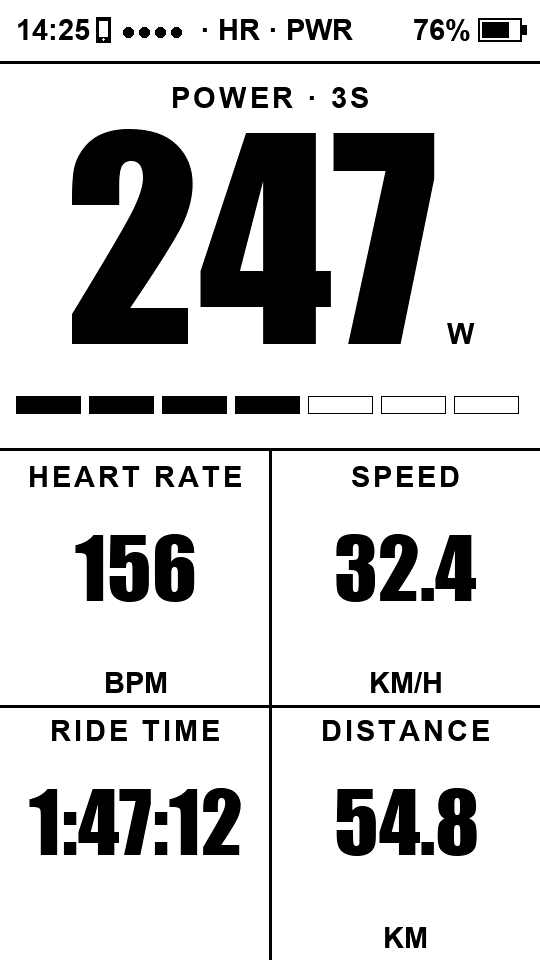
- Bluetooth 5 for heart-rate, power and cadence sensors
- Firmware can be installed from a desktop Chromium browser over USB
Tradeoffs
- No pressure sensor. There’s no barometric altimeter, so climbing is derived from elevation baked into the map tiles rather than measured — total ascent is an estimate.
- Basic GPS. The receiver works, but a modern multi-band module would lock on faster and hold a fix better under tree cover or between buildings.
- No magnetometer. Without a compass the map can only orient from your direction of travel, so it can’t point the right way while you’re stopped.
- Measured baseline: about eight hours. A 1,500 mAh build ran for roughly 7.4 usable hours with the front light off. Power work is ongoing, so newer builds may differ.
- Weak hardware buttons. Most interaction goes through the touch panel, which is fiddly with winter gloves or in the rain.
- No waterproofing. The board ships bare with no seal or IP rating, so it needs a case or a bag of its own before you ride it in the wet.